Manufacturing

- Share with
How We help the manufacturing industry
Several ground-breaking techniques have been established in the preceding decade, resulting in the development of more flexible, energy-efficient, and environmentally friendly manufacturing processes. Additional improvements in the supply chain and economics have contributed to the development of manufacturing, as have client needs and engineering design. Production is now capital-intensive and mechanised, and it depends on a well-trained workforce to keep things running smoothly. The industry also relies heavily on data analytics and new product development.
The manufacturing industry faces the following difficulties:
Forecasting and Demand Estimation
However, despite the advancements in demand forecasting and information technology, most organisations still have difficulty incorporating inventory levels into their production planning systems Forecasting is often blamed for mistakes that may have been avoided had the right approach been used. Many businesses are still struggling to predict future demand in today’s industry.
The management of inventories
Automated solutions have made inventory management considerably easier to handle, even if it remains one of the most onerous challenges faced by the industrial industry today. Despite this, many businesses, especially small ones, continue to handle their supply manually. For example, computer software may improve inventory management efficiency.
Increasing the manufacturing plant’s efficiency
Manufacturers have been looking for realistic methods to reduce costs and enhance efficiency in their facilities since the beginning of the industrial revolution. Disgruntled customers will stop buying their products if they compromise the quality of their products in order to save money. Manufacturing revolutions are all the rage these days.
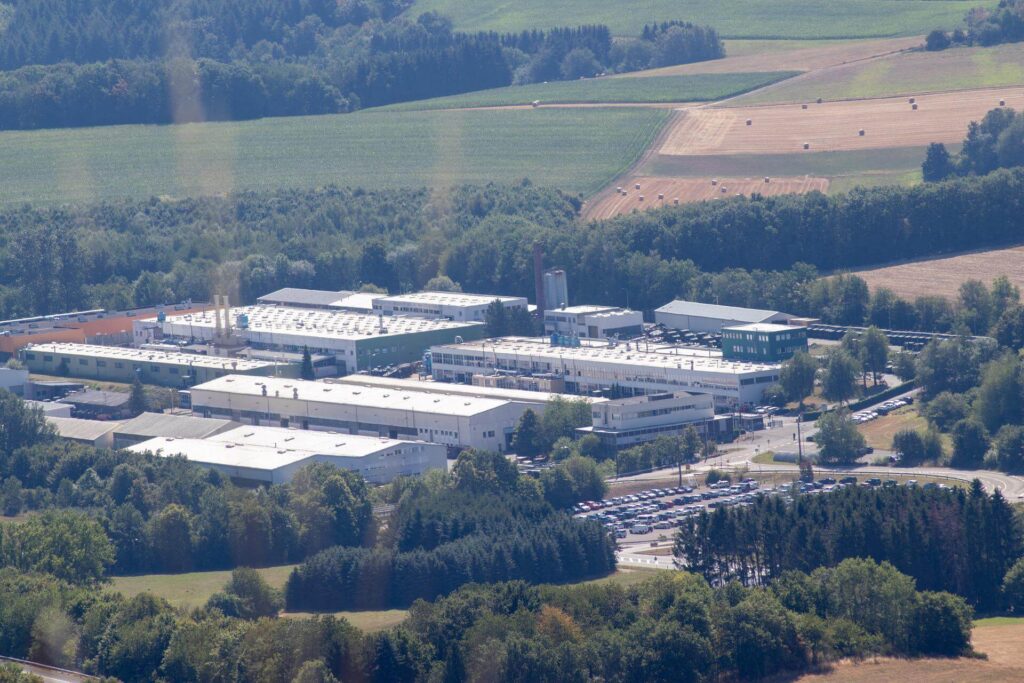
This resulted in the loss of material.
If you don’t plan properly or make adjustments to your recipe or formula formulations, you’re going to end up with waste in your process manufacturing process. In order to minimise financial losses, prevent costly overhead, and boost overall efficiency, it is critical for a process manufacturer to maintain material loss to a minimal.

The future trends of manufacturing business cases
Artificial intelligence (AI) and industrial automation are two of the most important advancements in manufacturing (AI). The COVID-19 epidemic, on the other hand, has prompted industry to look for methods to maintain output while reducing the number of employees and benefits.
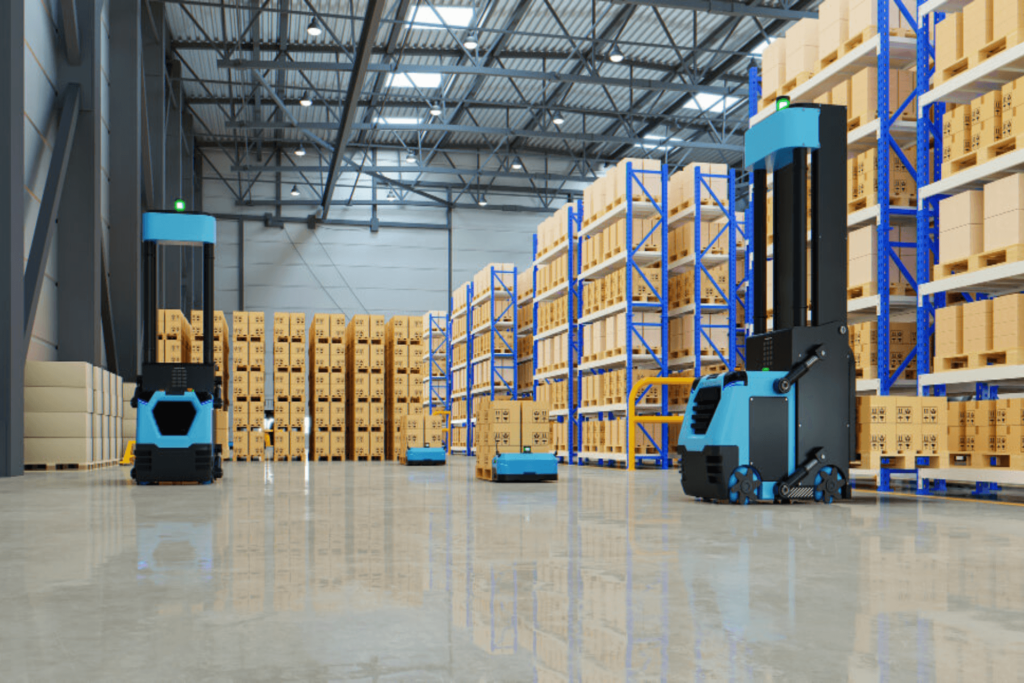
Manufacturing business case from operations
Our team of experts and industry veterans helps clients discover the most useful insights and define growth criteria for the foreseeable future as the travel and logistics sectors struggle with a flood of new data. As part of a larger effort to modernise service delivery paradigms, new products and services might be developed.
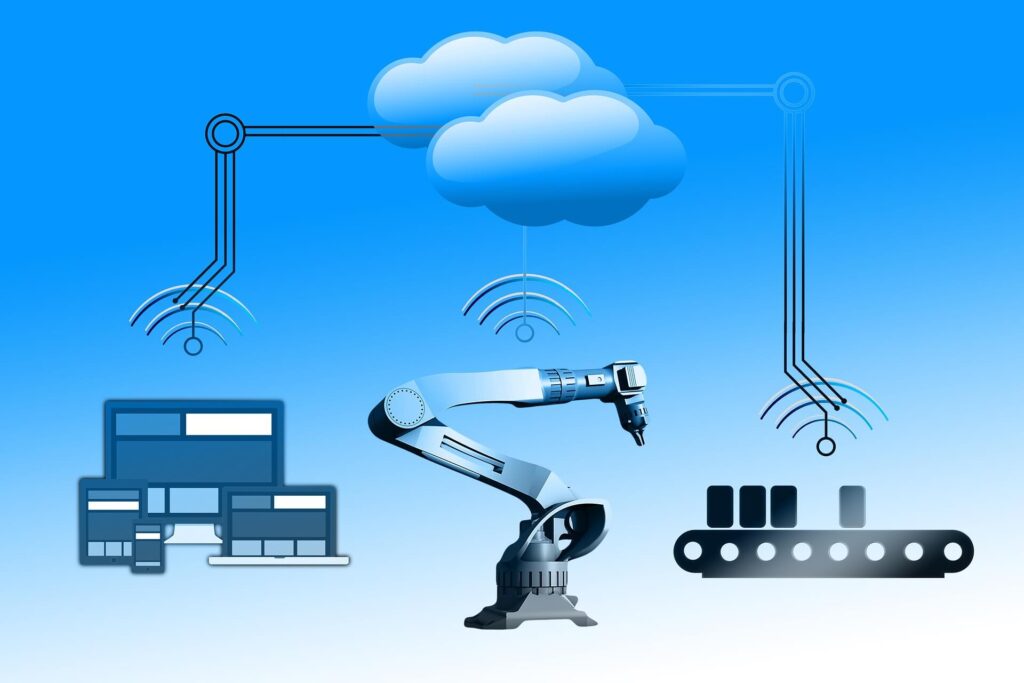
Manufacturing innovation
There are several ways in which manufacturing companies may profit from technological improvements in the sector, including design, research/development, production and supply chain management, sales and marketing, and even end-of-life management of their products.