Natural Resources

- Share with
How Our Team helps Natural Resources industry
Agriculture, oil and gas, lumber and wood products as well as a wide range of other commodities are facing a new level of volatility in supply and demand. There is no guarantee that raw material prices would continue to rise permanently. Concerns about the environmental impact of the growing demand are a contributing factor.
Changing commodity prices, increased production and exploration costs, access to financing, a shortage of qualified labour, and environmental, social, and governance (ESG) factors are just a few of the challenges facing the natural resources industry in today’s market (environmental, social, governance). It is imperative that organisations today look forward to the future and strive to become “Lean, Green and Digital” machines in order to stay competitive.
The conservation of natural resources and the management of land without interfering with agricultural processes are major concerns for the agricultural industry across the world. In terms of both natural resources and biodiversity loss, the Green Revolution paradigm has a significant ecological cost. A lack of relevance in underdeveloped countries where family farming is a common practise means it does not apply. As a result, rural areas are becoming increasingly residential, and other productive sectors of the economy, such as the extraction industries, are looking to invest in rural areas for growth and development.

As a consequence
The fight for water and plant resources threatens family farming’s future as well as global agriculture’s overall health. While family farming models confront many obstacles in their use and management of natural resources, this chapter examines how they compete with other agricultural practises as well as non-agricultural practises for resources. It focuses in particular on agricultural biodiversity, land and water availability, and climate change problems. For the sake of comparison and context, the long-term viability of family farming systems and the function of public policy are examined.

The future trends of Natural Resources business cases
Growth does not have to come at a price. As a result, India’s economic boom had a severe influence on natural resources including forests, food, clean air and so on. There’s a chance that this economic growth approach won’t be sustainable for the foreseeable future.

Natural Resources business case from operations
For a company to reap the benefits of its efforts in time, money, and intellect, the environment must be stable enough to provide the raw materials and biological services it needs. It’s not only about making money; businesses have a social responsibility to help preserve biodiversity for future generations, as well.
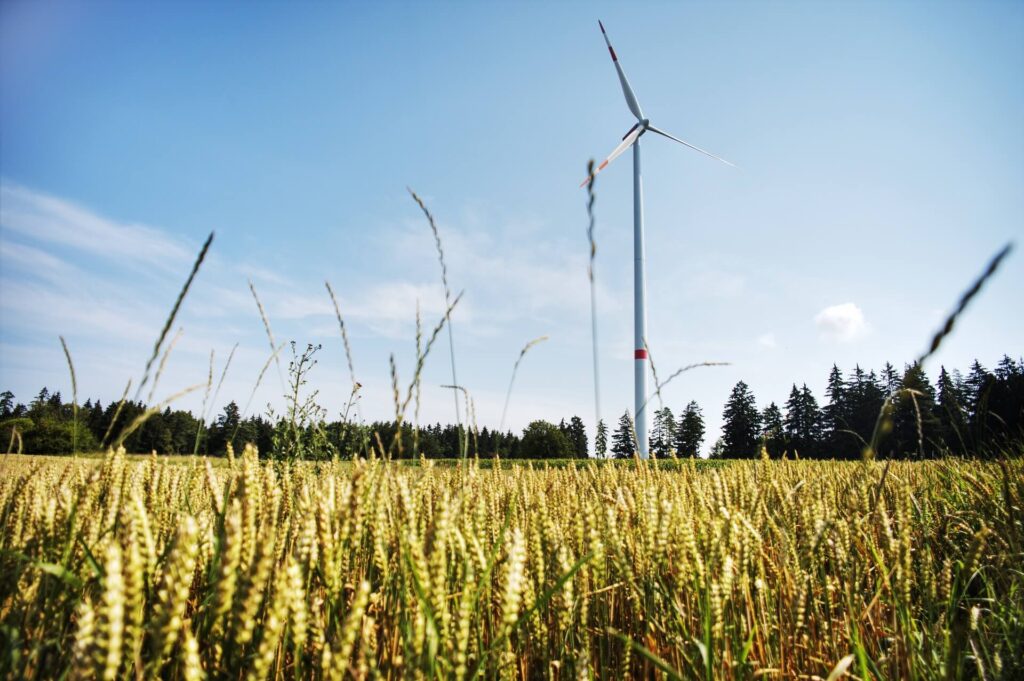
Natural Resources innovation
Property rights and community involvement in natural resource management are becoming more significant in developing countries. This includes natural resources including land and water supplies as well as fisheries as well as mineral or marine resources as well as forests and rainfall as well as climate.