This sector is primarily driven by innovation and expansion. Behind these two motivating causes lies a complex world of medicine or the medical device life cycle. Quality assurance on a continuous and collaborative basis, compliance with regulatory standards and risk management at every stage of the product life cycle are critical advantages for organisations.
Modernization and digital transformation are two of today’s most pressing concerns. It is imperative that data and procedures be constantly updated so that adjustments may be made that boost production capacity, availability and minimise downtime while improving decision-making and reducing waste and inefficiencies.
The ability to respond quickly to new possibilities and challenges is essential to a company’s success in the Life Sciences market today. As a result of changing market conditions, short-term goals or long-term strategy, management needs more operational flexibility from its employees.
Around 80% of transformation projects fail to meet their objectives. Today’s most pressing issue for corporations is ensuring that change results in long-term gains for the company. In order to meet the triple demands of quality, speed, and efficiency, organisations must undergo significant change. In contrast, putting change into action is just half the battle. Success in the long run is the real issue.
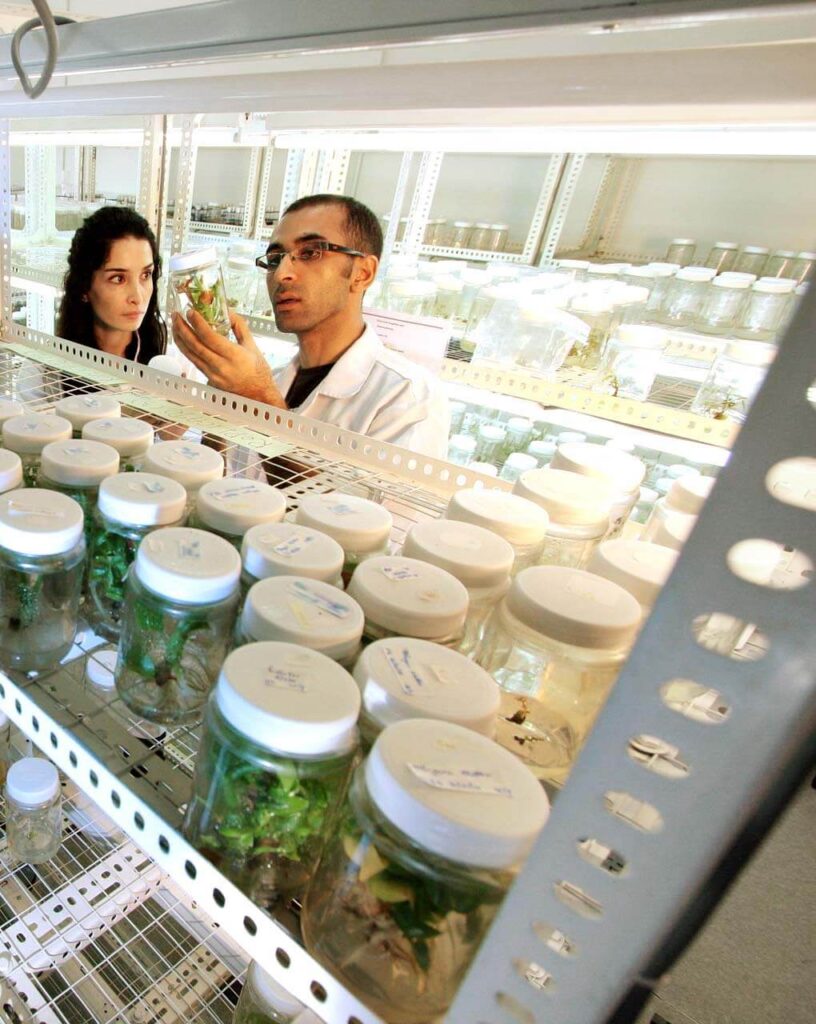
It’s no secret that life sciences businesses are spending a lot of money on research and development and data management and business intelligence. Digital transformation, artificial intelligence (AI), machine learning (ML), natural language processing (NLP), and automation are being used in order to improve efficiency and effectiveness.

Fast-moving technology is creating a slew of new possibilities for life sciences organisations to increase productivity, enhance patient care, and maintain regulatory compliance. Recognized organisations developed a system that aggregated all of the data into a single source of truth for numerous sales and marketing applications.
The invention process is not a one-time occurrence; it is not restricted to a certain time period, region, academic discipline, or industry. A growing corpus of knowledge represents a never-ending learning process in which each new discovery builds on the previous one. There are two primary approaches for recording the performance.

To tackle COVID-19 and create innovative, life-changing products to benefit people all around the world, life sciences businesses will continue to be on the cutting edge of research, investment and development of effective medications and applications. To underscore this, the pharmaceutical industry has been working feverishly to find new remedies while simultaneously expediting the clearance and distribution of existing medications at an unprecedented pace throughout this outbreak.
Copyright 2022 © All Rights Reserved.

We'd love to hear from you. Leave us a message, we will get back to you within one business day.
"*" indicates required fields
| Cookie | Duration | Description |
|---|---|---|
| cookielawinfo-checkbox-analytics | 11 months | This cookie is set by GDPR Cookie Consent plugin. The cookie is used to store the user consent for the cookies in the category "Analytics". |
| cookielawinfo-checkbox-functional | 11 months | The cookie is set by GDPR cookie consent to record the user consent for the cookies in the category "Functional". |
| cookielawinfo-checkbox-necessary | 11 months | This cookie is set by GDPR Cookie Consent plugin. The cookies is used to store the user consent for the cookies in the category "Necessary". |
| cookielawinfo-checkbox-others | 11 months | This cookie is set by GDPR Cookie Consent plugin. The cookie is used to store the user consent for the cookies in the category "Other. |
| cookielawinfo-checkbox-performance | 11 months | This cookie is set by GDPR Cookie Consent plugin. The cookie is used to store the user consent for the cookies in the category "Performance". |
| viewed_cookie_policy | 11 months | The cookie is set by the GDPR Cookie Consent plugin and is used to store whether or not user has consented to the use of cookies. It does not store any personal data. |